

Are wire mesh cable trays compatible with cable ties? This is a question that often arises in the field of cable management. As a supplier of wire mesh cable trays, I have dealt with numerous inquiries regarding this issue. In this blog, I will delve into the compatibility of wire mesh cable trays with cable ties, exploring the benefits, potential challenges, and best practices.
Compatibility Benefits
Wire mesh cable trays and cable ties are a match made in heaven when it comes to cable management. The open design of wire mesh cable trays allows for easy access to cables, making it simple to install and remove cable ties as needed. This flexibility is particularly useful in environments where cable layouts may change frequently, such as in data centers or industrial facilities.
One of the primary benefits of using cable ties with wire mesh cable trays is the ability to secure cables neatly and effectively. Cable ties can be used to bundle cables together, preventing them from becoming tangled or loose. This not only improves the overall appearance of the cable installation but also reduces the risk of cable damage and interference.
In addition, cable ties can help to organize cables by separating different types or groups of cables. For example, power cables can be bundled separately from data cables, reducing the potential for electromagnetic interference (EMI). This is especially important in applications where signal integrity is critical, such as in telecommunications or automation systems.
Another advantage of using cable ties with wire mesh cable trays is the ease of installation. Cable ties are relatively inexpensive and can be quickly and easily installed without the need for special tools. This makes them a cost-effective solution for cable management, especially in large-scale installations.
Potential Challenges
While wire mesh cable trays and cable ties are generally compatible, there are a few potential challenges that need to be considered. One of the main challenges is the risk of cable tie failure. Over time, cable ties can become brittle or damaged, especially in harsh environments. This can lead to the cables becoming loose and potentially causing problems.
To mitigate this risk, it is important to choose high-quality cable ties that are designed for the specific application. For example, in outdoor or industrial environments, it may be necessary to use UV-resistant or chemical-resistant cable ties. Additionally, it is important to regularly inspect the cable ties for signs of damage or wear and replace them as needed.
Another potential challenge is the issue of cable tie installation. If cable ties are not installed correctly, they may not provide the necessary support or security for the cables. For example, if a cable tie is too tight, it may damage the cables or cause them to overheat. On the other hand, if a cable tie is too loose, it may not hold the cables in place effectively.
To ensure proper installation, it is important to follow the manufacturer's instructions for the cable ties. This may include using the correct size and type of cable tie, as well as ensuring that the cable tie is tightened to the appropriate torque. Additionally, it may be helpful to use a cable tie tensioning tool to ensure consistent and accurate installation.
Best Practices
To ensure the compatibility and effectiveness of wire mesh cable trays and cable ties, it is important to follow a few best practices. First, it is important to choose the right type and size of cable tie for the application. This will depend on a variety of factors, such as the size and weight of the cables, the environment in which the cables will be installed, and the required level of security.
Second, it is important to install the cable ties correctly. This includes ensuring that the cable ties are tightened to the appropriate torque and that they are installed in a way that does not damage the cables. Additionally, it is important to leave enough slack in the cables to allow for expansion and contraction due to temperature changes.
Third, it is important to regularly inspect the cable ties and the wire mesh cable trays for signs of damage or wear. This includes checking for loose or damaged cable ties, as well as any signs of corrosion or damage to the wire mesh cable trays. If any issues are detected, they should be addressed immediately to prevent further damage or problems.
Finally, it is important to consider the overall design and layout of the cable installation. This includes ensuring that the wire mesh cable trays are installed in a way that provides adequate support and protection for the cables, as well as ensuring that the cables are routed in a way that minimizes the risk of interference and damage.
Applications
Wire mesh cable trays and cable ties are used in a wide variety of applications, including data centers, industrial facilities, commercial buildings, and telecommunications networks. In data centers, wire mesh cable trays are often used to manage the large number of cables that are required to support the servers and other equipment. Cable ties are used to bundle the cables together and organize them neatly, making it easier to access and maintain the cables.
In industrial facilities, wire mesh cable trays are used to manage the electrical and control cables that are required to operate the machinery and equipment. Cable ties are used to secure the cables in place and prevent them from becoming tangled or damaged. This helps to ensure the reliability and safety of the industrial processes.
In commercial buildings, wire mesh cable trays are used to manage the electrical, data, and communication cables that are required to support the building's systems and equipment. Cable ties are used to organize the cables and make them more accessible, reducing the time and effort required for maintenance and repairs.
In telecommunications networks, wire mesh cable trays are used to manage the fiber optic and copper cables that are required to transmit voice, data, and video signals. Cable ties are used to secure the cables in place and protect them from damage, ensuring the reliability and performance of the telecommunications network.
Conclusion
In conclusion, wire mesh cable trays and cable ties are highly compatible and offer many benefits when used together in cable management applications. The open design of wire mesh cable trays allows for easy access to cables, making it simple to install and remove cable ties as needed. Cable ties provide a cost-effective and efficient way to secure and organize cables, reducing the risk of cable damage and interference.
However, it is important to choose the right type and size of cable tie for the application and to install them correctly to ensure their effectiveness. Additionally, it is important to regularly inspect the cable ties and the wire mesh cable trays for signs of damage or wear and to address any issues immediately.

If you are in need of wire mesh cable trays or have any questions about their compatibility with cable ties, please feel free to contact us. We are a leading supplier of wire mesh cable trays and can provide you with the products and solutions you need to manage your cables effectively.
References
- Industry standards on cable management
- Manufacturer's specifications for wire mesh cable trays and cable ties
- Case studies on successful cable management installations using wire mesh cable trays and cable ties
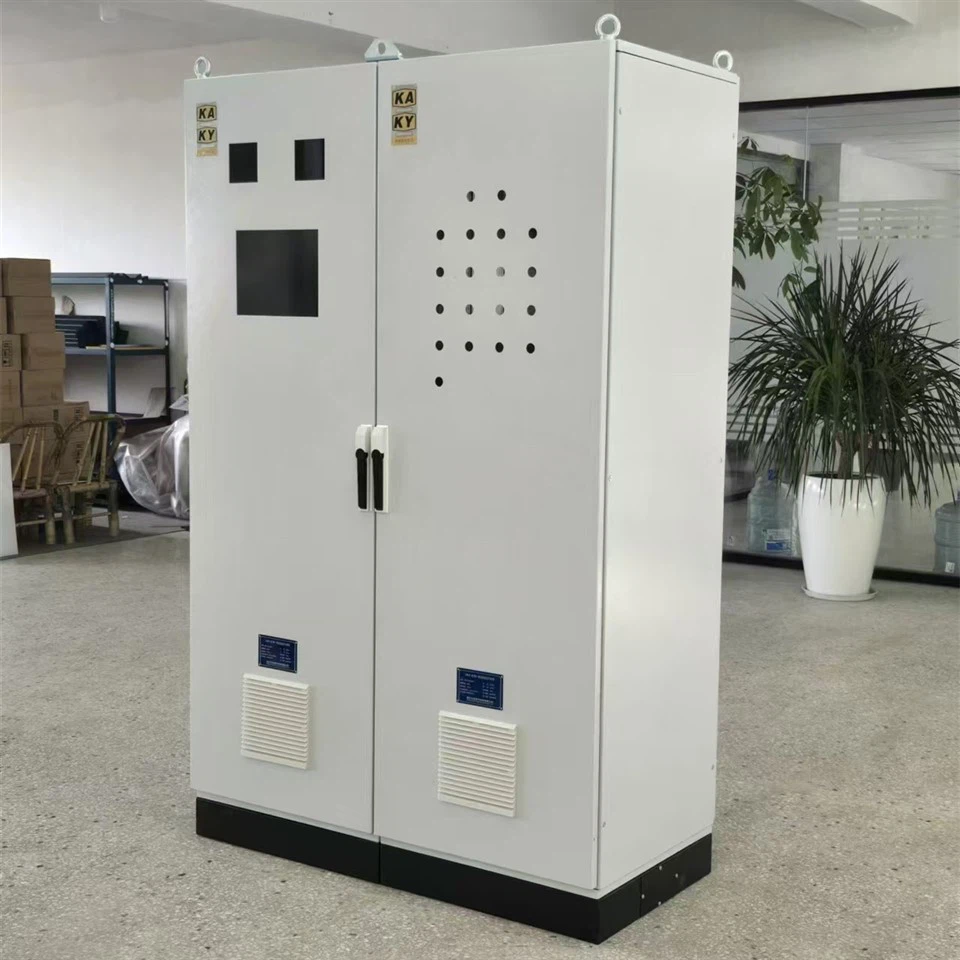
Contact us for more information and to discuss your procurement needs for Industrial Control Cabinet, XL-21 Power Distribution Cabinets, Imitation Rittal Cabinets and wire mesh cable trays. We are ready to assist you in finding the best solutions for your cable management requirements.





