

As a seasoned provider of Carbon Steel Laser Cutting services, I've witnessed firsthand the profound impact that the surface finish of carbon steel can have on the laser cutting process. In this blog post, I'll delve into the intricacies of this relationship, exploring how different surface finishes affect laser cutting and offering insights to help you make informed decisions for your projects.
Understanding Carbon Steel Surface Finishes
Carbon steel can come with a variety of surface finishes, each with its own unique characteristics. These finishes are typically the result of different manufacturing processes and can range from smooth and polished to rough and textured. The most common surface finishes for carbon steel include:
- Hot-Rolled Finish: This is the most basic and common finish for carbon steel. Hot-rolled steel is produced by heating the steel above its recrystallization temperature and then rolling it into the desired shape. The resulting surface is rough and scale-covered, which can affect the laser cutting process.
- Cold-Rolled Finish: Cold-rolled steel is produced by further processing hot-rolled steel at room temperature. This process results in a smoother, more uniform surface finish with tighter tolerances. Cold-rolled steel is often used in applications where a high-quality surface finish is required.
- Galvanized Finish: Galvanized steel is coated with a layer of zinc to protect it from corrosion. The zinc coating can have a significant impact on the laser cutting process, as it can affect the absorption of the laser energy and the quality of the cut.
- Polished Finish: A polished finish is achieved by grinding and buffing the surface of the steel to create a smooth, reflective surface. Polished steel is often used in decorative applications where a high-quality appearance is desired.
How Surface Finish Affects Laser Cutting
The surface finish of carbon steel can affect the laser cutting process in several ways, including:
Absorption of Laser Energy
The absorption of laser energy is crucial for the laser cutting process. A rough or scale-covered surface can scatter the laser energy, reducing its absorption and making it more difficult to cut through the steel. On the other hand, a smooth and polished surface can absorb the laser energy more efficiently, resulting in a cleaner and more precise cut.
Kerf Width
The kerf width is the width of the cut made by the laser. A rough surface finish can cause the laser to wander, resulting in a wider kerf width. This can be a problem in applications where tight tolerances are required. A smooth surface finish, on the other hand, can help to keep the laser on track, resulting in a narrower and more consistent kerf width.
Edge Quality
The edge quality of the cut is another important factor to consider. A rough surface finish can cause the edges of the cut to be jagged and uneven, while a smooth surface finish can result in a cleaner and more precise edge. This is particularly important in applications where a high-quality appearance is required.
Cutting Speed
The cutting speed is also affected by the surface finish of the carbon steel. A rough surface finish can slow down the cutting speed, as the laser has to work harder to cut through the steel. A smooth surface finish, on the other hand, can allow the laser to cut through the steel more quickly and efficiently.
Choosing the Right Surface Finish for Laser Cutting
When choosing the right surface finish for laser cutting, there are several factors to consider, including:
Application Requirements
The application requirements will determine the level of surface finish required. For example, if the part will be visible in the final product, a high-quality surface finish may be required. If the part will be hidden or painted, a rougher surface finish may be acceptable.
Cutting Quality
The cutting quality is also an important factor to consider. If a high-quality cut is required, a smooth surface finish may be necessary. If a less precise cut is acceptable, a rougher surface finish may be used.
Cost
The cost of the surface finish is another important factor to consider. A high-quality surface finish can be more expensive than a rougher surface finish. It's important to balance the cost of the surface finish with the requirements of the application.
Our Carbon Steel Laser Cutting Services
At our company, we specialize in providing high-quality Carbon Steel Laser Cutting services. We have the expertise and experience to handle a wide range of surface finishes, including hot-rolled, cold-rolled, galvanized, and polished. Our state-of-the-art laser cutting machines are capable of producing precise and accurate cuts, even on the most challenging materials.

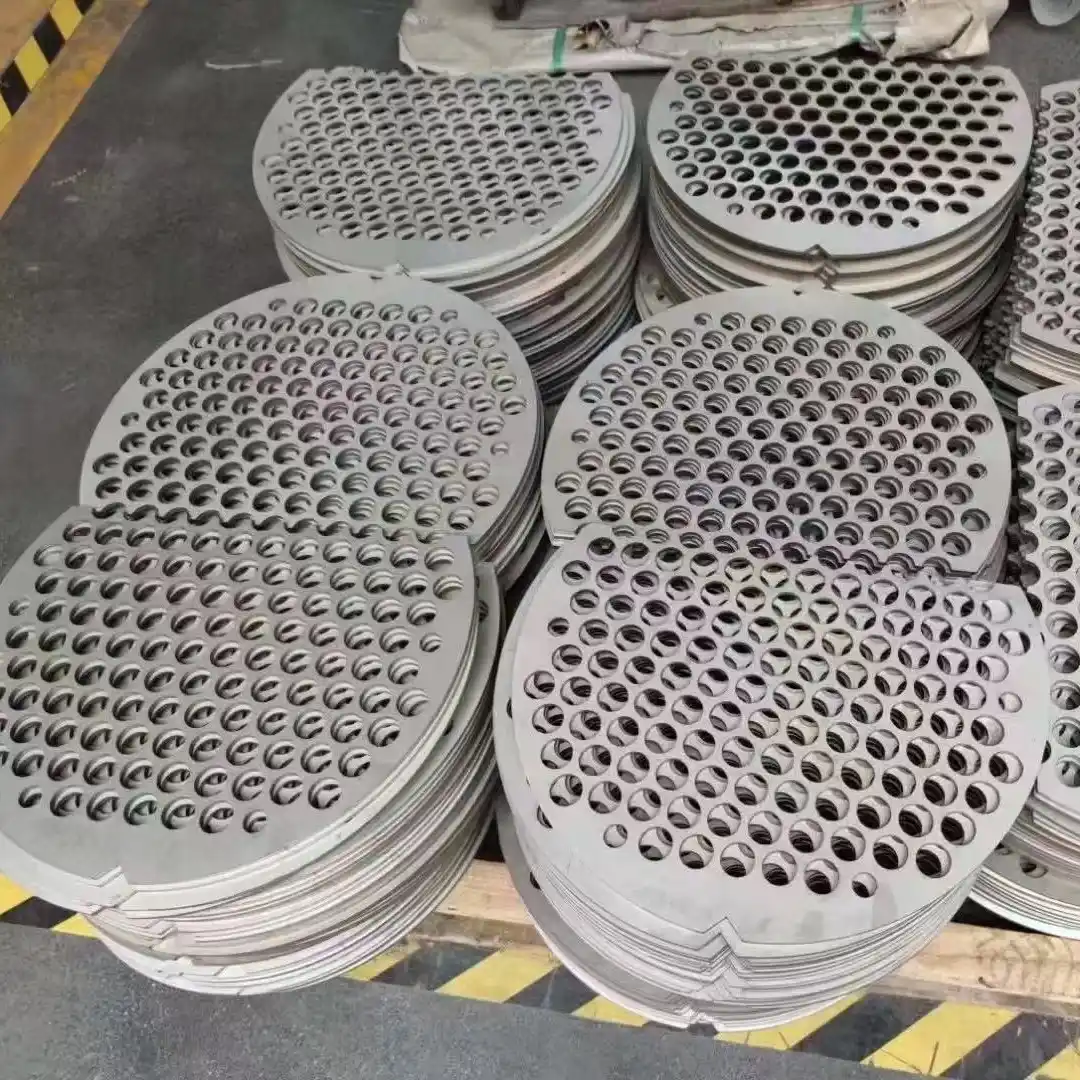
In addition to our Carbon Steel Laser Cutting services, we also offer Stainless Steel Laser Cutting Service, Best Tube Laser Cutting Machine, and Copper Plate Laser Cutting services. Our team of experts is dedicated to providing our customers with the highest level of service and quality.
Conclusion
The surface finish of carbon steel can have a significant impact on the laser cutting process. By understanding how different surface finishes affect laser cutting, you can make informed decisions for your projects and ensure that you achieve the best possible results. If you have any questions or need more information about our Carbon Steel Laser Cutting services, please don't hesitate to contact us. We look forward to working with you on your next project.
References
- Smith, J. (2020). Laser Cutting of Metals. Springer.
- Jones, A. (2019). Surface Finishes for Carbon Steel. Metalworking Magazine.
- Brown, C. (2018). The Impact of Surface Finish on Laser Cutting Quality. Journal of Manufacturing Technology.





