

Hey there! As a supplier of electrical control cabinets, I've seen firsthand how crucial it is to label the components inside these cabinets properly. In this blog post, I'm gonna share some tips on how to label the components in electrical control cabinets, which can make maintenance, troubleshooting, and safety a whole lot easier.
Why Labeling is a Big Deal
First off, let's talk about why labeling is so important. When you've got a bunch of components in an electrical control cabinet, it can get really confusing. Without proper labels, it's like trying to find a needle in a haystack when something goes wrong. Labels help technicians quickly identify what each component is, what it does, and where it's connected. This not only saves time but also reduces the risk of errors, which can be dangerous in an electrical environment.
Types of Labels
There are a few different types of labels you can use for electrical control cabinets.

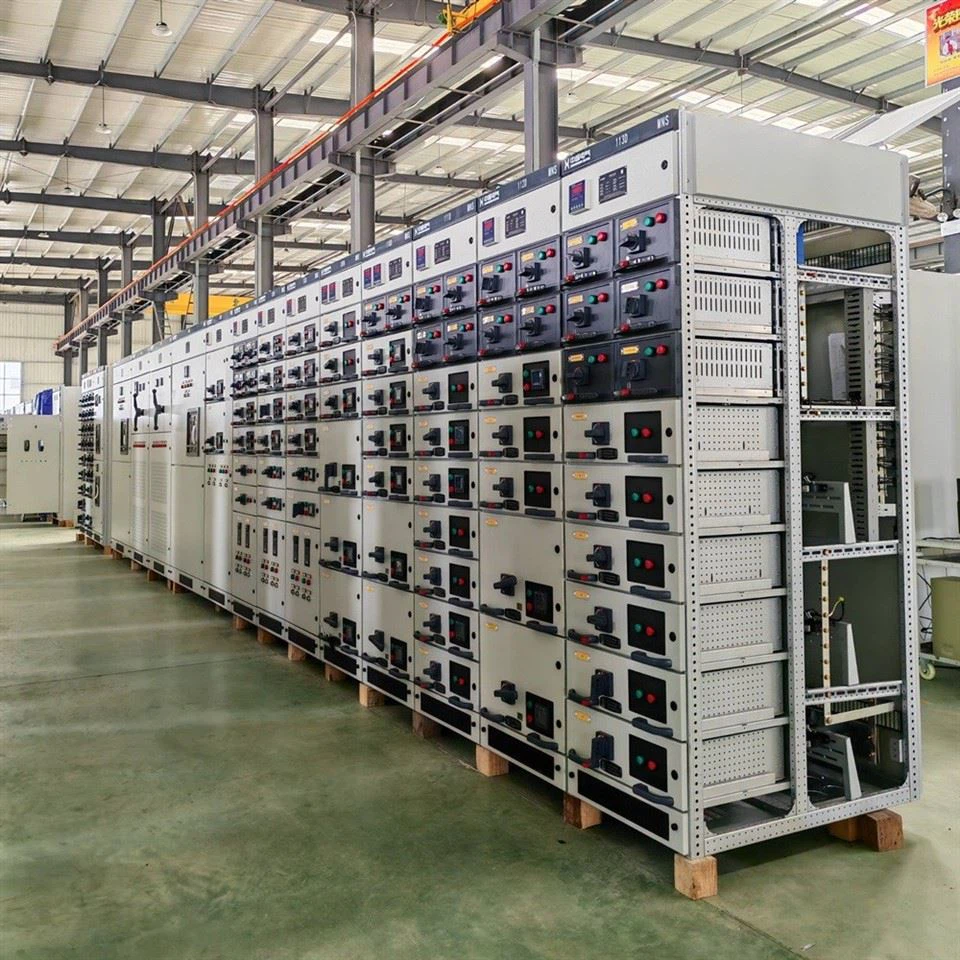
Permanent Labels
These are great for components that aren't likely to change. You can use things like engraved plastic labels or metal tags. Engraved labels are super durable and can withstand harsh environments, like high temperatures or exposure to chemicals. They're also easy to read, which is a big plus.
Removable Labels
Sometimes, you might need to change the labels. Maybe you're upgrading a component or reconfiguring the cabinet. Removable labels are perfect for this. You can use self - adhesive vinyl labels that can be peeled off and replaced without leaving a sticky residue.
Digital Labels
With the advancement of technology, digital labels are becoming more popular. You can use a label printer to create custom labels with barcodes or QR codes. These labels can be scanned with a smartphone or a scanner, providing detailed information about the component, like its specifications, maintenance history, and more.
What to Include on the Labels
Now, let's talk about what information you should put on the labels.
Component Name
This is the most basic information. Clearly state the name of the component, like "Circuit Breaker," "Relay," or "Transformer." Make sure the text is large enough to read from a reasonable distance.
Function
Describe what the component does. For example, if it's a relay, you might write "Controls power to motor." This helps technicians understand the role of the component in the overall system.
Connection Details
Include information about the connections, such as the wire color, terminal number, or the name of the connected component. This makes it easier to trace the electrical path and troubleshoot problems.
Safety Information
If there are any safety concerns associated with the component, like high voltage or hazardous materials, make sure to include a warning on the label.
Label Placement
Where you place the labels is just as important as what's on them.
Near the Component
The label should be placed as close to the component as possible. This makes it easy to associate the label with the correct component.
Visible and Accessible
Make sure the labels are visible and can be easily accessed. Avoid placing labels in areas that are blocked by other components or cables.
Consistent Placement
Use a consistent placement strategy for all the labels in the cabinet. For example, you might always place the labels on the left - hand side of the component. This makes it easier for technicians to find the information they need.
Tools for Labeling
There are several tools you can use to create and apply labels.
Label Printers
As I mentioned earlier, label printers are a great option. They allow you to create custom labels with high - quality text and graphics. You can use different fonts, colors, and sizes to make the labels stand out.
Engraving Tools
If you're using permanent labels, an engraving tool can be a good choice. You can engrave the information directly onto the label material, creating a long - lasting and professional - looking label.
Adhesive Tape
For quick and simple labels, you can use adhesive tape. You can write on the tape with a marker and stick it to the component. This is a cost - effective option, but it might not be as durable as other methods.
Examples of Labeling in Different Types of Electrical Control Cabinets
Let's take a look at how labeling works in different types of electrical control cabinets.
Server Control Cabinets
Server control cabinets are used to manage and protect servers. In these cabinets, you'll have components like power supplies, network switches, and servers themselves. You can label each component with its name, function, and connection details. For more information on server control cabinets, check out Server Control Cabinets.
XL - 21 Power Distribution Cabinets
XL - 21 power distribution cabinets are used to distribute electrical power. They contain components like circuit breakers, fuses, and busbars. Labeling these components is crucial for safety and maintenance. You can label the circuit breakers with their amperage rating, the load they serve, and the connection details. To learn more about XL - 21 power distribution cabinets, visit XL - 21 Power Distribution Cabinets.
Wire Mesh Cable Trays
Wire mesh cable trays are used to support and organize cables. You can label the cable trays to indicate the type of cables they contain, the direction of the cables, and the destination. This helps in cable management and troubleshooting. For more information on wire mesh cable trays, go to Wire Mesh Cable Trays.
Conclusion
Properly labeling the components in electrical control cabinets is essential for safety, maintenance, and efficiency. By using the right types of labels, including the necessary information, and placing the labels correctly, you can make your electrical control cabinets much easier to manage.
If you're in the market for high - quality electrical control cabinets or need help with labeling, don't hesitate to reach out. We're here to provide you with the best solutions for your electrical needs. Whether you're a small business or a large industrial facility, we've got the expertise and products to meet your requirements. Contact us for a quote and let's start a great partnership!
References
- Electrical Installation Handbook, Schneider Electric
- National Electrical Code (NEC)





