

Hey there! If you're in the market for laser cutting services, you've probably heard a lot about edge quality. As a laser cutting supplier, I'm here to share some insights on what edge quality considerations you should keep in mind.
First off, let's talk about why edge quality matters. In laser cutting, the edge of the cut material is the result of the interaction between the laser beam and the workpiece. A high - quality edge is not just about looks; it has a direct impact on the functionality and performance of the final product. For example, in precision engineering applications, a rough or uneven edge can cause issues with fitting parts together, leading to mechanical failures or reduced efficiency.
Factors Affecting Edge Quality
Material Type
Different materials react differently to laser cutting. Metals like aluminum and copper have unique properties that influence the edge quality.
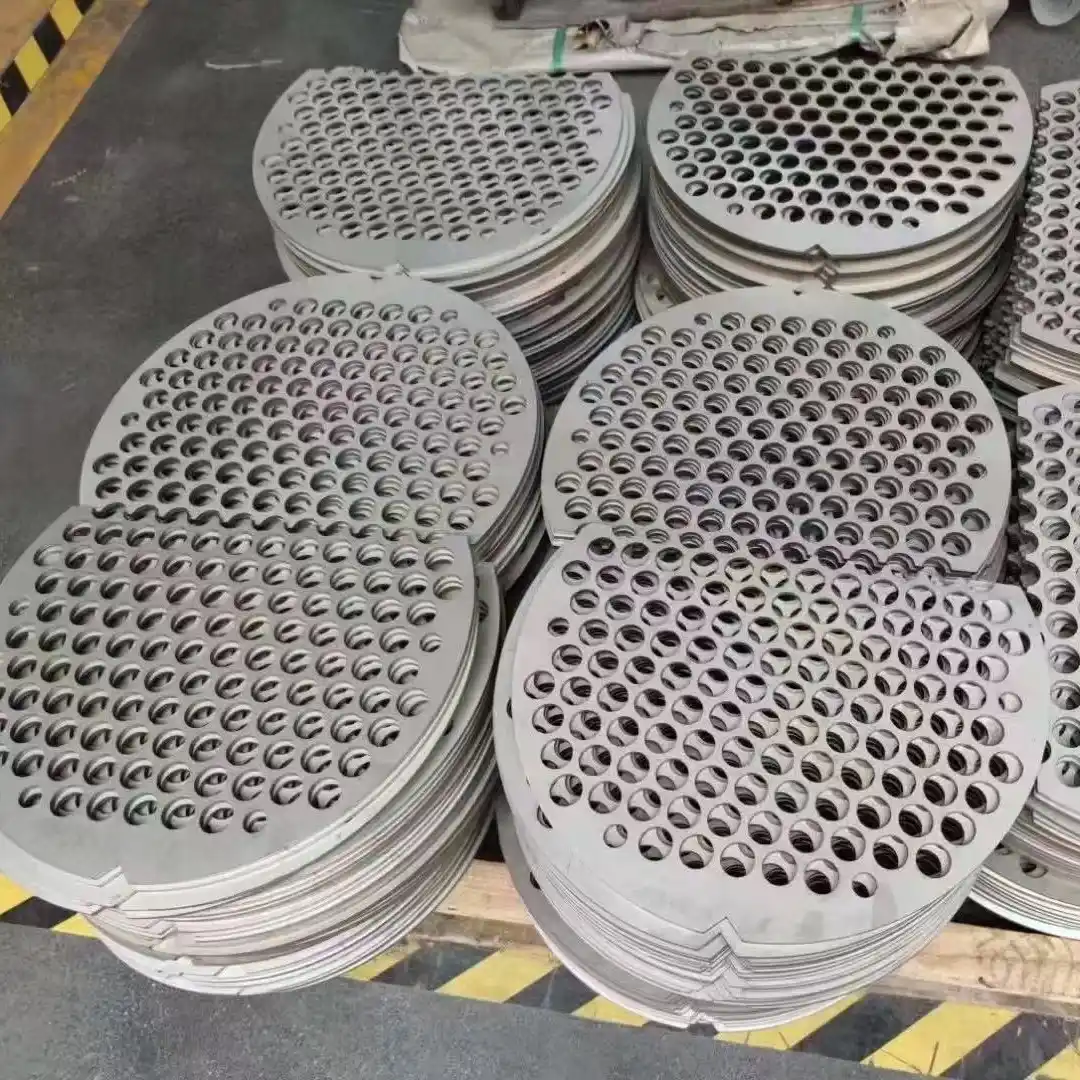

Aluminum is a popular choice in many industries due to its lightweight and corrosion - resistant nature. When laser cutting aluminum sheets, the heat - affected zone (HAZ) is a major consideration. The HAZ is the area around the cut where the material's properties are altered due to the heat from the laser. A large HAZ can lead to warping and a less precise edge. To achieve a high - quality edge in Aluminum Sheet Laser Cutting, we need to carefully control the laser parameters such as power, speed, and gas flow.
Copper, on the other hand, is a highly reflective material. This reflectivity can cause problems during laser cutting as it may reflect the laser beam, reducing the cutting efficiency and potentially damaging the laser optics. To cut copper plates effectively, we use specialized lasers and techniques. In Copper Plate Laser Cutting, we focus on minimizing the dross (the molten material that solidifies on the edge of the cut) and achieving a smooth, burr - free edge.
Laser Parameters
Laser power, cutting speed, and gas flow are the three key parameters that we adjust to control edge quality.
Laser power determines the energy density of the laser beam. Higher power can cut through thicker materials more quickly, but it can also increase the HAZ and cause more dross formation. We need to find the optimal power for each material and thickness to get a clean cut.
Cutting speed is another crucial factor. If the cutting speed is too slow, the laser beam has more time to interact with the material, which can lead to a wider HAZ and a rougher edge. On the other hand, if the speed is too fast, the laser may not fully penetrate the material, resulting in an incomplete cut.
Gas flow is used to blow away the molten material and prevent oxidation. Different gases, such as oxygen, nitrogen, and argon, have different effects on the cutting process and edge quality. Oxygen, for example, is often used for cutting thick metals as it supports combustion, increasing the cutting power. However, it can also cause oxidation on the edge. Nitrogen is commonly used for cutting stainless steel and other materials where a clean, non - oxidized edge is required.
Measuring Edge Quality
To ensure that we are meeting the required edge quality standards, we use several measurement techniques.
One of the most basic methods is visual inspection. We look for signs of dross, burrs, and unevenness on the edge. However, visual inspection can be subjective, so we also use more precise measurement tools.
Microscopic inspection allows us to examine the edge at a much higher magnification. We can measure the size of the HAZ, the roughness of the edge, and the presence of any micro - cracks. This helps us to identify any potential issues that may not be visible to the naked eye.
Surface roughness measurement is another important technique. We use profilometers to measure the roughness of the edge, which is typically expressed in micrometers. A lower surface roughness value indicates a smoother edge.
Achieving Consistent Edge Quality
Consistency is key in laser cutting. We want to ensure that every part we cut has the same high - quality edge. To achieve this, we implement a strict quality control system.
First, we conduct regular maintenance on our laser cutting machines. This includes cleaning the optics, checking the alignment of the laser beam, and replacing any worn - out parts. A well - maintained machine is more likely to produce consistent results.
We also use advanced software to control the laser cutting process. The software allows us to program the exact laser parameters for each job, ensuring that the same settings are used every time. This helps to eliminate human error and ensure consistency.
In addition, we train our operators to be experts in laser cutting. They are trained to recognize the signs of poor edge quality and know how to adjust the parameters to correct any issues.
Tube Laser Cutting and Edge Quality
When it comes to tube laser cutting, there are some additional edge quality considerations. Tubes have a curved surface, which makes it more challenging to achieve a uniform edge compared to flat sheets.
The Best Tube Laser Cutting Machine is equipped with advanced features to address these challenges. For example, it can adjust the laser beam angle to ensure that it is perpendicular to the tube surface at all points along the cut. This helps to minimize the variation in edge quality around the circumference of the tube.
Another consideration in tube laser cutting is the internal burr. When cutting a tube, the molten material can sometimes accumulate on the inside of the tube, forming a burr. We use special techniques to minimize the formation of internal burrs and ensure a clean cut on both the inside and outside of the tube.
Why Choose Our Laser Cutting Services
As a laser cutting supplier, we are committed to providing the highest quality edge cuts. We have years of experience in the industry and have invested in the latest laser cutting technology.
Our team of experts is dedicated to understanding your specific requirements and ensuring that we meet or exceed your expectations. Whether you need aluminum sheet laser cutting, copper plate laser cutting, or tube laser cutting, we have the skills and equipment to get the job done right.
We also offer competitive pricing and fast turnaround times. We understand that in today's fast - paced business environment, you need your parts quickly and at a reasonable cost.
If you're interested in our laser cutting services and want to discuss your project in more detail, don't hesitate to reach out. We're here to answer any questions you may have and help you find the best solution for your needs.
References
- "Laser Cutting Technology: Principles and Applications" by John Doe
- "Advanced Materials Processing with Lasers" by Jane Smith


