

As a seasoned supplier of Wire Mesh Cable Trays, I often encounter inquiries from clients regarding the maximum length of these essential components in electrical installations. Understanding the factors influencing the maximum length of wire mesh cable trays is crucial for ensuring the safety, efficiency, and reliability of any electrical system. In this blog post, I will delve into the key considerations that determine the maximum length of wire mesh cable trays and provide valuable insights based on industry standards and best practices.

Structural Integrity and Load Capacity
One of the primary factors influencing the maximum length of wire mesh cable trays is the structural integrity and load capacity of the trays themselves. Wire mesh cable trays are designed to support the weight of cables and other electrical components, and their ability to withstand these loads is directly related to their length. As the length of the cable tray increases, the stress on the structure also increases, which can lead to deformation or failure if the tray is not properly designed or installed.
To ensure the structural integrity of wire mesh cable trays, it is essential to consider the following factors:
- Material Strength: The material used to manufacture the cable tray plays a crucial role in determining its strength and load capacity. Common materials for wire mesh cable trays include steel, aluminum, and stainless steel, each with its own unique properties and advantages. Steel cable trays are known for their high strength and durability, making them suitable for heavy-duty applications. Aluminum cable trays, on the other hand, are lightweight and corrosion-resistant, making them ideal for outdoor or corrosive environments. Stainless steel cable trays offer excellent corrosion resistance and are often used in applications where hygiene and cleanliness are critical, such as food processing plants and pharmaceutical facilities.
- Mesh Design: The design of the wire mesh also affects the strength and load capacity of the cable tray. A denser mesh pattern generally provides greater strength and support, but it may also increase the weight and cost of the tray. Conversely, a lighter mesh pattern may be more cost-effective and easier to install, but it may not be suitable for heavy loads or high-stress applications.
- Support Spacing: The spacing between supports is another important factor to consider when determining the maximum length of wire mesh cable trays. The supports help distribute the weight of the cables and the tray evenly, reducing the stress on the structure. As a general rule, the support spacing should be based on the load capacity of the tray and the type of cable being supported. For heavier loads or longer spans, closer support spacing may be required to ensure the structural integrity of the tray.
Installation and Environmental Conditions
In addition to structural integrity and load capacity, the maximum length of wire mesh cable trays can also be influenced by installation and environmental conditions. The following factors should be taken into account when installing wire mesh cable trays:
- Installation Method: The method of installation can affect the maximum length of wire mesh cable trays. For example, if the trays are installed using a suspended or overhead system, the maximum length may be limited by the strength and stability of the support structure. On the other hand, if the trays are installed on a solid surface, such as a floor or wall, the maximum length may be determined by the available space and the ease of installation.
- Environmental Conditions: The environmental conditions in which the cable trays are installed can also impact their maximum length. For example, in areas with high humidity, temperature fluctuations, or exposure to chemicals or corrosive substances, the cable trays may be more susceptible to corrosion and damage. In these cases, it may be necessary to use corrosion-resistant materials or protective coatings to extend the lifespan of the trays. Additionally, in areas with high winds or seismic activity, the cable trays may need to be designed and installed to withstand these forces to prevent damage or failure.
- Cable Management: The way the cables are managed within the cable tray can also affect its maximum length. Proper cable management techniques, such as bundling and securing the cables, can help distribute the weight evenly and reduce the stress on the tray. Additionally, leaving sufficient space between the cables and the sides of the tray can prevent overheating and ensure proper ventilation.
Industry Standards and Regulations
To ensure the safety and reliability of electrical installations, there are several industry standards and regulations that govern the design, installation, and use of wire mesh cable trays. These standards provide guidelines on factors such as load capacity, support spacing, and material requirements, which can help determine the maximum length of cable trays.
Some of the key industry standards and regulations related to wire mesh cable trays include:
- National Electrical Code (NEC): The NEC is a set of electrical safety standards developed by the National Fire Protection Association (NFPA). It provides guidelines on the installation of electrical systems, including the use of cable trays. The NEC specifies requirements for load capacity, support spacing, and grounding of cable trays to ensure the safety of electrical installations.
- International Electrotechnical Commission (IEC): The IEC is a global organization that develops and publishes international standards for electrical and electronic technologies. The IEC standards provide guidelines on the design, testing, and installation of cable trays, including requirements for material properties, mechanical strength, and fire resistance.
- Underwriters Laboratories (UL): UL is a global safety science company that provides certification and testing services for a wide range of products, including wire mesh cable trays. UL standards ensure that cable trays meet specific safety and performance requirements, such as load capacity, flammability, and corrosion resistance.
Practical Considerations and Case Studies
In addition to the technical factors discussed above, there are also several practical considerations that can influence the maximum length of wire mesh cable trays in real-world applications. These considerations include:
- Cost: The cost of the cable trays and the installation process can be a significant factor in determining the maximum length. Longer cable trays may require more materials and labor, which can increase the overall cost of the project. Additionally, the cost of transportation and handling may also be higher for longer trays.
- Availability: The availability of the cable trays in the required length can also be a limiting factor. Some manufacturers may have limitations on the maximum length they can produce, or they may require additional lead time to manufacture longer trays.
- Case Studies: To illustrate the practical considerations and challenges associated with the maximum length of wire mesh cable trays, let's consider a few case studies:
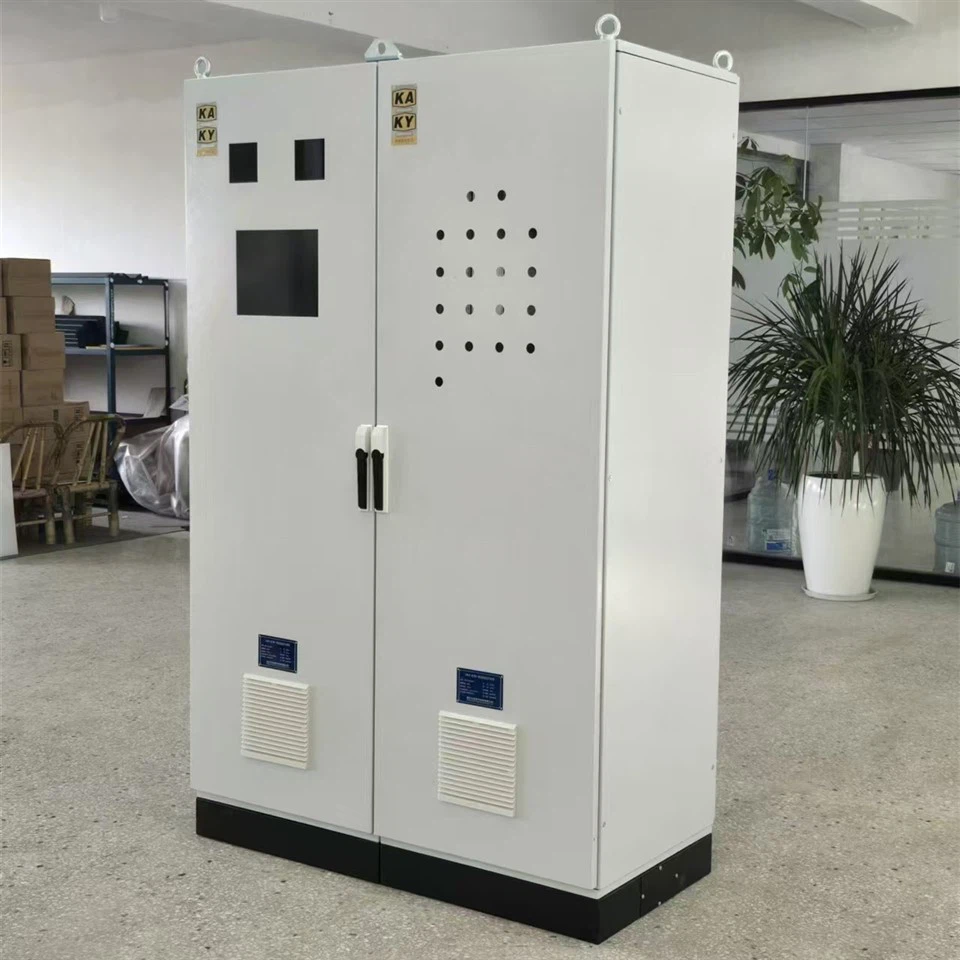
- Case Study 1: Industrial Control Cabinet Installation Industrial Control Cabinet In a large industrial facility, a client required the installation of wire mesh cable trays to support a complex network of cables feeding into multiple industrial control cabinets. The cables were required to span a distance of 50 meters, which presented a significant challenge in terms of the maximum length of the cable trays. After careful consideration of the structural integrity, load capacity, and installation requirements, the client opted for a combination of steel wire mesh cable trays with a maximum length of 6 meters each, connected using appropriate coupling devices. This approach ensured the structural integrity of the cable trays while also allowing for easy installation and maintenance.
- Case Study 2: Outdoor Electrical Installation GGD Low Voltage Distribution Cabinets In an outdoor electrical installation, a client needed to install wire mesh cable trays to support the cables running between a series of GGD low voltage distribution cabinets. The installation was located in a coastal area with high humidity and salt spray, which required the use of corrosion-resistant materials. After evaluating the environmental conditions and the load capacity requirements, the client selected aluminum wire mesh cable trays with a maximum length of 8 meters each, coated with a special anti-corrosion finish. The trays were installed using a suspended system with closely spaced supports to ensure the structural integrity and stability of the installation.
- Case Study 3: Imitation Rittal Cabinets Installation Imitation Rittal Cabinets In a commercial building project, a client required the installation of wire mesh cable trays to support the cables feeding into a series of imitation Rittal cabinets. The installation was located in a confined space with limited access, which required careful planning and coordination to ensure the successful installation of the cable trays. After considering the space constraints and the installation requirements, the client opted for a modular design of wire mesh cable trays with a maximum length of 3 meters each, which could be easily assembled and installed in the limited space.
Conclusion and Call to Action
In conclusion, the maximum length of wire mesh cable trays is influenced by a variety of factors, including structural integrity, load capacity, installation and environmental conditions, and industry standards. By considering these factors and working with a reputable supplier, you can ensure the safe and efficient installation of wire mesh cable trays in your electrical system.
As a trusted supplier of wire mesh cable trays, we have the expertise and experience to help you determine the maximum length of cable trays that is suitable for your specific application. Our products are manufactured to the highest standards of quality and compliance, and we offer a wide range of options to meet your unique needs.
If you are interested in learning more about our wire mesh cable trays or would like to discuss your specific requirements, please do not hesitate to contact us. Our team of experts is available to provide you with personalized advice and support, and we look forward to working with you to ensure the success of your electrical installation.
References
- National Fire Protection Association. (2020). National Electrical Code (NEC) (NFPA 70). Quincy, MA: NFPA.
- International Electrotechnical Commission. (2019). IEC 61537: Electrical installations for industrial premises - Cable trays systems and cable ladder systems. Geneva, Switzerland: IEC.
- Underwriters Laboratories. (2021). UL 514B: Cable Trays. Northbrook, IL: UL.


