

As a seasoned supplier of electrical control cabinets, I've witnessed firsthand the pivotal role that power supply requirements play in the functionality and longevity of these essential components. In this blog post, I'll delve into the intricacies of power supply requirements for electrical control cabinets, offering insights based on years of industry experience.
Understanding the Basics of Electrical Control Cabinets
Before we dive into the power supply requirements, let's briefly understand what electrical control cabinets are. These cabinets are enclosures that house electrical components such as circuit breakers, relays, contactors, and programmable logic controllers (PLCs). They are used to control, monitor, and protect electrical systems in various industrial, commercial, and residential applications.
Voltage Requirements
One of the most fundamental power supply requirements for electrical control cabinets is the voltage. The voltage requirements depend on the type of equipment housed inside the cabinet and the application. In general, electrical control cabinets can operate on a wide range of voltages, including low voltage (LV) and medium voltage (MV).
- Low Voltage (LV): LV control cabinets typically operate at voltages ranging from 120V to 690V. These cabinets are commonly used in residential, commercial, and light industrial applications. For example, GGD Low Voltage Distribution Cabinets are designed for low voltage applications and are widely used in power distribution systems.
- Medium Voltage (MV): MV control cabinets operate at voltages ranging from 1kV to 36kV. These cabinets are used in industrial applications where higher power is required, such as in large manufacturing plants, mines, and power generation facilities.
Current Requirements
In addition to voltage, the current requirements of the electrical control cabinet must also be considered. The current rating of the cabinet is determined by the total load of the electrical components housed inside. It is essential to ensure that the power supply can provide sufficient current to meet the demands of the equipment.
- Continuous Current Rating: The continuous current rating of the cabinet indicates the maximum current that the cabinet can carry continuously without overheating. This rating is typically specified by the manufacturer and should be carefully considered when selecting a power supply.
- Short - Circuit Current Rating (SCCR): The SCCR is the maximum short - circuit current that the cabinet can safely withstand without causing damage to the equipment or endangering personnel. A higher SCCR is required in applications where there is a higher risk of short - circuits, such as in industrial settings.
Power Quality
Power quality is another crucial aspect of power supply requirements for electrical control cabinets. Poor power quality can lead to equipment malfunction, reduced lifespan, and increased maintenance costs.
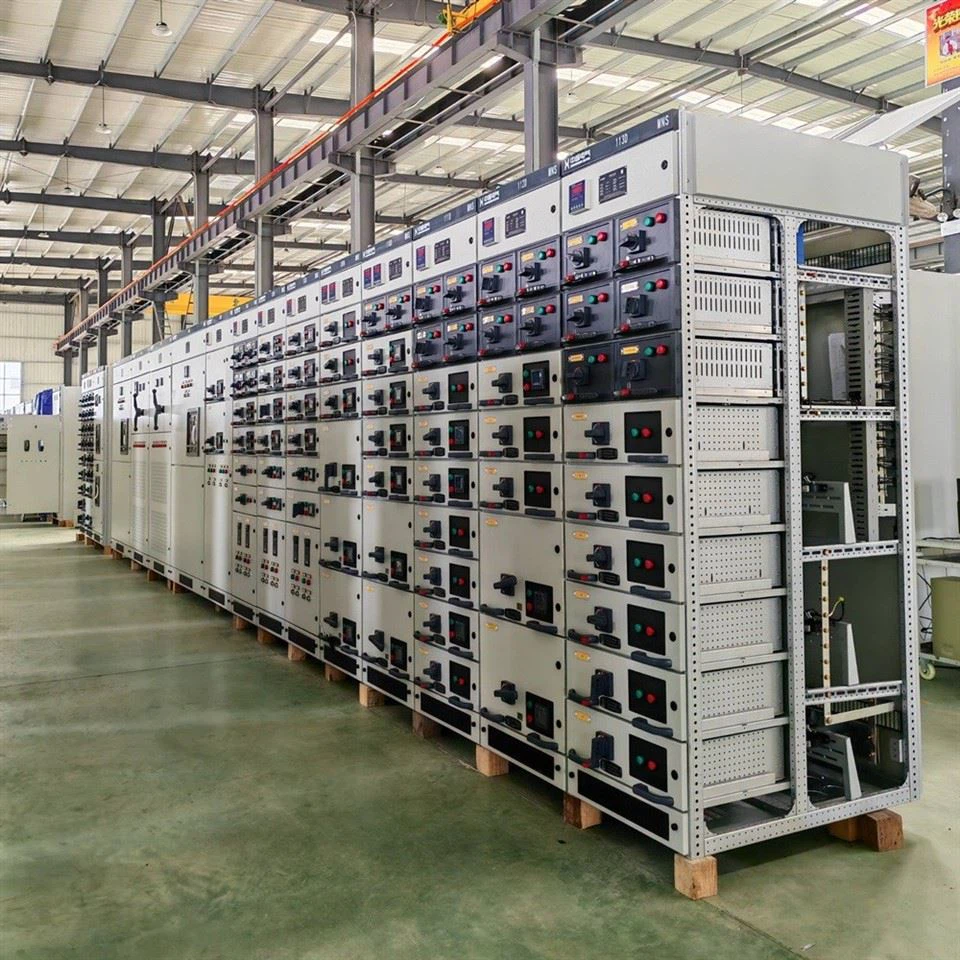

- Voltage Fluctuations: Voltage fluctuations can cause damage to sensitive electrical components. A stable power supply with minimal voltage fluctuations is essential for the proper operation of the control cabinet. Voltage regulators or uninterruptible power supplies (UPS) can be used to mitigate the effects of voltage fluctuations.
- Harmonics: Harmonics are unwanted frequencies in the electrical power system that can distort the voltage and current waveforms. High levels of harmonics can cause overheating, increased power losses, and interference with other electrical equipment. Filters can be installed to reduce the harmonic content in the power supply.
Redundancy and Backup Power
In critical applications, such as data centers and hospitals, redundancy and backup power are essential to ensure continuous operation of the electrical control cabinets.
- Redundant Power Supplies: Redundant power supplies provide an additional layer of protection by ensuring that the cabinet can continue to operate in the event of a power supply failure. Dual power supplies can be used, with one acting as the primary power source and the other as a backup.
- Uninterruptible Power Supplies (UPS): UPS systems provide temporary power in the event of a power outage. They are commonly used in applications where even a short interruption in power can cause significant damage or disruption. For example, Server Control Cabinets often rely on UPS systems to protect the servers from power outages.
Environmental Considerations
The environmental conditions in which the electrical control cabinet operates can also affect the power supply requirements.
- Temperature: High temperatures can reduce the efficiency of the power supply and increase the risk of component failure. Adequate ventilation and cooling systems should be installed to maintain the temperature within the acceptable range.
- Humidity: High humidity can cause corrosion and electrical shorts. Sealed cabinets or dehumidifiers can be used to protect the equipment from the effects of humidity.
- Dust and Debris: Dust and debris can accumulate on the electrical components, leading to overheating and reduced performance. Filters or enclosures can be used to prevent dust and debris from entering the cabinet.
Special Considerations for Different Types of Cabinets
- Stainless Steel Cabinets: Stainless Steel Cabinets are often used in harsh environments where corrosion resistance is required. These cabinets may require additional protection against moisture and chemical exposure, which can affect the power supply and electrical components.
- Explosion - Proof Cabinets: In hazardous environments, such as oil refineries and chemical plants, explosion - proof cabinets are used to prevent the ignition of flammable gases or dust. The power supply for these cabinets must meet strict safety standards to ensure safe operation.
Conclusion
In conclusion, understanding the power supply requirements for electrical control cabinets is essential for ensuring their proper operation, reliability, and safety. Voltage, current, power quality, redundancy, and environmental factors all play a crucial role in determining the appropriate power supply for a given application.
As a supplier of electrical control cabinets, we have the expertise and experience to help you select the right power supply for your specific needs. Whether you are looking for a low - voltage distribution cabinet for a commercial building or a high - voltage control cabinet for an industrial plant, we can provide you with the solutions you need.
If you are interested in learning more about our electrical control cabinets or have any questions regarding power supply requirements, please feel free to contact us. We are always ready to assist you in making the best decisions for your electrical systems.
References
- Electrical Installation Guide, International Electrotechnical Commission (IEC)
- National Electrical Code (NEC), National Fire Protection Association (NFPA)
- Handbook of Electrical Engineering, McGraw - Hill





