

Fuel tank fabrication is a specialized process that involves creating fuel storage containers for a variety of applications, from automotive and aerospace to industrial and marine uses. As a supplier in the fuel tank fabrication industry, I often encounter clients who are curious about the costs associated with this process. In this blog post, I'll break down the factors that influence the cost of fuel tank fabrication and provide insights to help you better understand the pricing structure.
Material Costs
The choice of material is one of the most significant factors affecting the cost of fuel tank fabrication. Different materials offer varying levels of durability, corrosion resistance, and weight, which can impact both the initial cost and the long - term performance of the fuel tank.
- Steel: Steel is a commonly used material for fuel tanks due to its strength and relatively low cost. Carbon steel is affordable and provides good structural integrity, but it may require additional coatings to prevent corrosion. Stainless steel, on the other hand, is more expensive but offers excellent corrosion resistance, making it suitable for harsh environments. The price of steel can fluctuate based on market conditions, including supply and demand, as well as the quality and thickness of the steel sheets used.
- Aluminum: Aluminum fuel tanks are lightweight and corrosion - resistant, making them a popular choice for applications where weight reduction is critical, such as in the aerospace and automotive industries. However, aluminum is generally more expensive than steel. The cost of aluminum is also affected by market factors, and the fabrication process for aluminum fuel tanks may require specialized equipment and techniques, which can add to the overall cost.
- Plastic: Plastic fuel tanks are becoming increasingly popular due to their design flexibility, corrosion resistance, and lower weight. The cost of plastic fuel tanks can vary depending on the type of plastic used, such as high - density polyethylene (HDPE). Plastic tanks may require complex molding processes, and the cost of tooling for these processes can be significant, especially for custom - designed fuel tanks.
Design and Complexity
The design of the fuel tank plays a crucial role in determining its cost. A simple, standard - shaped fuel tank will generally be less expensive to fabricate than a custom - designed tank with complex geometries.
- Shape and Size: Fuel tanks with irregular shapes or non - standard sizes require more time and effort to fabricate. For example, a fuel tank with curved surfaces or multiple compartments will need more precise cutting, bending, and welding operations. Larger fuel tanks also typically cost more, as they require more material and may need additional structural support to ensure their integrity.
- Custom Features: Custom features such as integrated baffles, mounting brackets, and fuel level sensors can increase the cost of fuel tank fabrication. These features add complexity to the design and may require additional machining and assembly operations. For instance, installing a high - precision fuel level sensor may involve drilling holes, wiring, and calibration, all of which contribute to the overall cost.
Manufacturing Processes
The manufacturing processes used in fuel tank fabrication can have a significant impact on the cost.
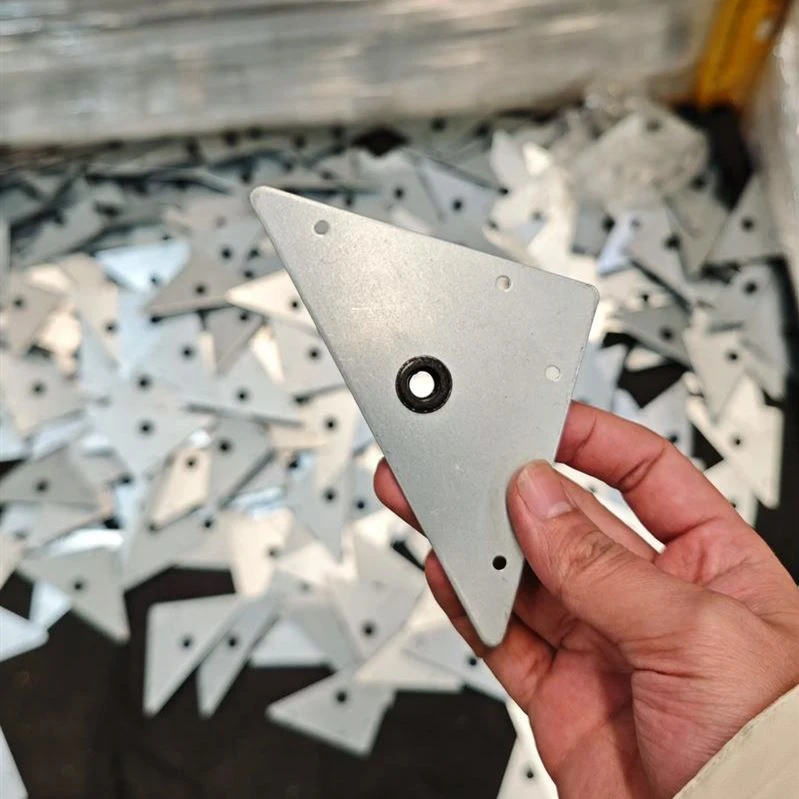
- Cutting and Forming: Cutting and forming the raw materials into the desired shape is an essential step in fuel tank fabrication. Laser cutting is a precise and efficient method for cutting metal sheets, but it requires specialized equipment. You can learn more about Laser Cut Metal Parts. The cost of laser cutting depends on the thickness of the material, the complexity of the cut, and the amount of material to be cut. Other cutting methods, such as plasma cutting or waterjet cutting, may be more cost - effective for certain applications but may not offer the same level of precision.
- Welding and Assembly: Welding is used to join the various components of the fuel tank together. The type of welding process used, such as TIG (Tungsten Inert Gas) welding or MIG (Metal Inert Gas) welding, can affect the cost. TIG welding is known for its high - quality welds but is generally slower and more labor - intensive than MIG welding. Assembly operations, including the installation of internal components and the attachment of external fittings, also contribute to the overall cost.
- Quality Control: Quality control is an essential part of the fuel tank fabrication process. Ensuring that the fuel tank meets all the required standards and specifications involves various testing procedures, such as pressure testing, leak testing, and material analysis. These testing procedures add to the cost of fabrication but are necessary to guarantee the safety and reliability of the fuel tank.
Quantity and Volume
The quantity of fuel tanks being fabricated can have a significant impact on the cost per unit.
- Economies of Scale: When producing a large number of fuel tanks, manufacturers can take advantage of economies of scale. Bulk purchasing of materials can result in lower material costs per unit, and the setup costs for manufacturing processes can be spread over a larger number of units. For example, the cost of tooling for a plastic injection - molding process can be amortized over a large production run, reducing the cost per fuel tank.
- Small - Batch Production: Small - batch or custom - made fuel tanks are generally more expensive per unit. The setup costs for manufacturing, such as programming CNC machines and creating custom tooling, are relatively high compared to the number of units produced. Additionally, the labor cost per unit may be higher due to the lack of economies of scale.
Additional Costs
There are several other costs associated with fuel tank fabrication that should be considered.
- Shipping and Logistics: The cost of shipping the fabricated fuel tanks to the customer's location can vary depending on the size, weight, and destination. Large or heavy fuel tanks may require specialized shipping methods, such as flatbed trucks or freight containers, which can increase the shipping cost.
- Certification and Compliance: Depending on the application, fuel tanks may need to meet certain industry standards and regulations. Obtaining certifications, such as ISO standards or DOT (Department of Transportation) approvals, can involve additional testing and documentation, which add to the overall cost.
Cost Comparison and Estimation
When comparing quotes from different fuel tank fabrication suppliers, it's important to consider all the factors mentioned above. A lower - priced quote may not necessarily mean the best value, as it could be due to the use of lower - quality materials or less rigorous quality control processes.
As a Fuel Tank Fabrication supplier, I always strive to provide my clients with a detailed cost breakdown that includes all the relevant factors. I work closely with clients to understand their specific requirements and offer cost - effective solutions. Whether it's a prototype or a large - scale production run, I can help design and fabricate fuel tanks that meet the highest standards of quality and performance.
If you're interested in Prototype Sheet Metal Parts for your fuel tank project, I can also assist with the prototyping process. Prototyping allows you to test the design and functionality of the fuel tank before committing to a full - scale production run, helping to identify and address any potential issues early on.

Conclusion
The cost of fuel tank fabrication is influenced by a variety of factors, including material costs, design complexity, manufacturing processes, quantity, and additional costs such as shipping and certification. As a supplier, I understand that each client's needs are unique, and I'm committed to providing high - quality fuel tank solutions at competitive prices.
If you're in the market for fuel tank fabrication services, I encourage you to reach out to me to discuss your project. I can provide you with a detailed cost estimate and work with you to optimize the design and manufacturing process to meet your budget and requirements. Contact me today to start the conversation about your fuel tank fabrication needs.
References
- ASM Handbook: Volume 6 - Welding, Brazing, and Soldering
- Metals Handbook Desk Edition
- Plastics Engineering Handbook





